
Early Warning Signs of Hearing Loss You Might Be Missing
Hearing loss doesn’t usually show up as a sudden, obvious problem.
By: admin | November 18, 2025
Hearing tests are an important part of preventative health care, yet many people overlook them until they notice obvious problems with their hearing. Hearing loss often develops slowly over the course of several years, and by the time you notice significant difficulties, communication challenges may already be impacting your relationships, work performance and social activities. Regular testing establishes a baseline for your hearing and allows your provider to identify small changes early, giving you more options for managing those changes and preventing bigger complications down the road.
Beyond protecting your ability to hear clearly, regular hearing tests support your overall wellbeing in ways that extend throughout your life. When you can’t hear well, following conversations requires more effort, which can leave you feeling drained and less likely to engage in social activities. Getting a hearing test is straightforward and takes less time than many other health screenings, making it an easy addition to your preventative care routine that protects both your hearing and your overall health as you age.
Preventative health care plays a critical role in maintaining overall wellness and avoiding serious medical issues before they arise. Focusing on prevention allows you to monitor your body and lifestyle proactively, rather than waiting for symptoms or illnesses to develop. Routine checkups, screenings and healthy habits help detect conditions like high blood pressure, diabetes or high cholesterol early, when they are most manageable. These early interventions can reduce the likelihood of complications, improve long-term outcomes and make it easier to maintain daily energy and quality of life.
Preventative care also supports mental and emotional health. Regular physical exams and screenings provide a clearer picture of your overall wellbeing, which can reduce stress and anxiety about undetected conditions. Preventative practices, like staying active, eating a balanced diet and getting adequate sleep, strengthen your body’s resilience and enhance your ability to recover from minor illnesses or injuries. In addition, preventative health measures often encourage healthy routines and behaviors that support both physical and mental wellness, helping you stay engaged and active in your work, hobbies and social life.
Finally, preventative health care can help maintain independence as you age. Monitoring key aspects of your health and addressing small issues early can prevent them from turning into larger problems that limit mobility, energy or cognitive function. Taking these steps reinforces the idea that caring for your health is a daily commitment that benefits your body, mind and overall quality of life.
Preventative health care is about more than just managing chronic conditions or staying on top of routine screenings. It also includes monitoring and protecting your hearing, which plays a vital role in overall health. Your ears and auditory system are closely linked to cognitive function, social engagement and safety. Untreated hearing changes can contribute to increased stress, mental fatigue and even cognitive decline over time. Incorporating hearing care into your preventative routine allows you to detect changes early and take steps to maintain clear communication, which supports both brain health and emotional wellbeing.
Preventative hearing care can reduce safety risks in everyday life. Being able to hear alarms, warning signals and environmental sounds accurately is essential for avoiding accidents and responding quickly in emergencies. Including hearing evaluations alongside other routine health checkups ensures you maintain awareness of your surroundings and continue to live safely and independently.
Hearing health is also closely tied to social wellness. Difficulty hearing in conversations can lead to frustration, withdrawal from social activities and feelings of isolation. Regular hearing evaluations help identify subtle changes before they start affecting daily life, ensuring you continue to enjoy friends, family and social activities. Early attention to hearing health supports your overall preventative care plan, allowing you to address potential issues before they interfere with relationships, work performance or everyday safety.
Hearing tests can sometimes reveal more than just changes in your ability to hear. Certain health conditions, like diabetes or high blood pressure, can affect hearing over time. During a test, your audiologist may notice patterns that suggest other health concerns. This information can help you and your doctor take steps to manage these issues early. Paying attention to your hearing is another way to look after your overall health.
There are several signs that indicate it may be time to have your hearing checked. You might find it difficult to follow conversations, especially when multiple people are talking or there is background noise. Turning up the volume on your television, radio or other devices higher than usual can also be a sign that your ears are not picking up sounds as clearly as they once did.
You may also notice missing everyday sounds that used to catch your attention, like doorbells, alarms or phone notifications. Friends or family might comment that you seem to ask for repetitions more often or appear to miss parts of conversations. Paying attention to these changes is important because it helps you understand when to seek professional evaluation and maintain your overall communication and safety.
Your overall medical history can be essential to understanding your hearing health. Certain medical conditions, such as diabetes, high blood pressure or cardiovascular disease, can affect blood flow and nerve function in the ears, which may influence how well you hear. Sharing details about past surgeries, ear infections or other health issues allows your hearing care provider to see the full picture and identify factors that could impact your hearing.
Medications are another important part of your medical history. Some prescription and over-the-counter medications can affect hearing, balance or ear sensitivity. Discussing all medications you take, including supplements, helps your provider interpret test results accurately and understand any possible influences on your hearing. Being open about your medical history ensures your hearing evaluation is thorough and tailored to your unique health needs.
Your daily habits have a big impact on protecting your hearing. Choices like lowering the volume on headphones, wearing ear protection around loud sounds and keeping your ears clean all make a difference over time. Paying attention to these habits each day helps you support your hearing and enjoy the sounds that matter most.
Routine hearing tests are especially helpful for adults over 50, as hearing loss becomes more common with age. People who work around loud noises, like construction workers or musicians, also benefit because their ears are exposed to sounds that can affect hearing over time.
Anyone who has noticed changes in their hearing, like turning up the TV or asking others to repeat themselves, should consider regular tests. Family history is another reason to pay attention, since genetics can play a role in how hearing changes with age.
Children benefit from routine hearing checks as well, especially if they have trouble with speech, learning or paying attention in school. Regular testing ensures that hearing problems do not interfere with growth and learning.
When you arrive for a standard hearing test, your audiologist will ask about your health and any changes you have noticed in your hearing. This allows the specialist to understand your needs and choose the most helpful tests.
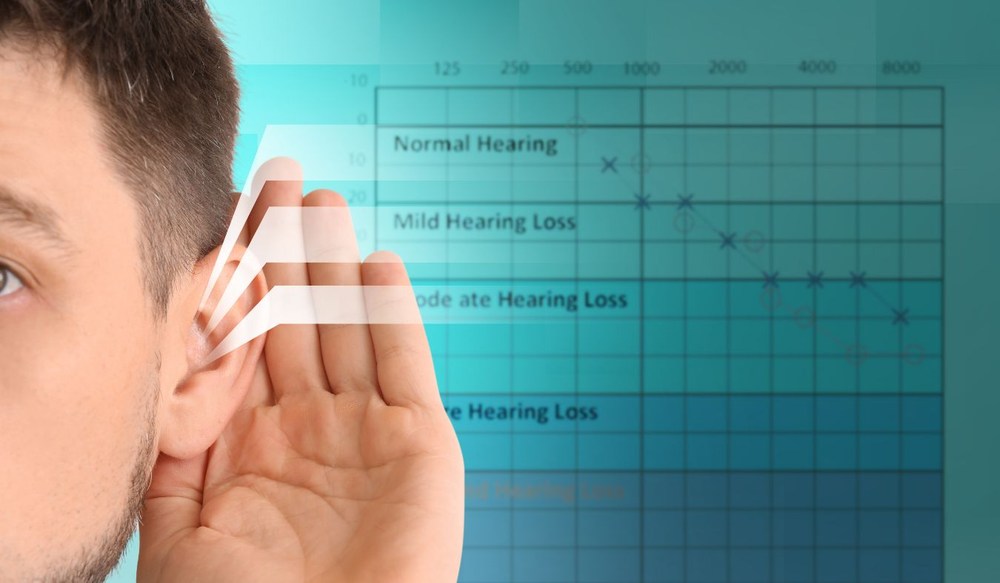
You will sit in a quiet room and wear headphones while listening to a series of sounds at different volumes and pitches. You will signal each time you hear a sound, which measures how well you hear different tones.
Some tests may also check how well you understand speech or how your ears respond to gentle pressure. These steps are simple and comfortable, and the results give you clear answers about your hearing. Regular hearing tests are an easy way to monitor your hearing health and support your overall well-being.
If you are diagnosed with hearing loss, one of the most common and effective treatments is the use of hearing aids. These devices amplify sound, making it easier to hear conversations, environmental noises and media like television or music. Modern hearing aids are highly customizable, allowing your provider to adjust them based on the type and degree of hearing loss you have, as well as your personal listening preferences. This ensures that you hear the sounds that matter most clearly and comfortably.
Hearing aids also offer a range of features that enhance everyday life. Many can connect wirelessly to smartphones, TVs and other devices, allowing you to stream audio directly to your ears. Advanced models adjust automatically to different environments, reducing background noise while highlighting speech. Properly fitted and programmed hearing aids give you the support needed to hear more naturally and participate fully in daily life.
Protecting your hearing does not require complicated routines or special equipment. Small adjustments in your daily life can make a big difference over time. One of the simplest steps is monitoring the volume on your devices, like smartphones, televisions and headphones. Using earplugs or noise-reducing headphones in loud environments, like concerts, sporting events or even busy construction areas, can reduce your exposure to damaging sound levels.
Giving your ears regular breaks from noise is another effective way to protect your hearing. Stepping away from loud environments for a few minutes allows your auditory system to recover and reduces the cumulative impact of sound exposure. Being mindful of your daily sound exposure and making small, consistent adjustments helps maintain hearing health and supports clearer, more comfortable listening over time.
Regular hearing tests are more than just a check on your ears. They are an investment in your daily life and overall wellness. Staying aware of your hearing allows you to maintain smooth communication with family, friends and colleagues and prevents the stress and fatigue that can come from straining to follow conversations. These tests give you clear insight into your hearing health and provide a foundation for any adjustments or care you may need.
Taking a proactive approach to hearing health makes it easier to manage changes before they affect your daily life. Scheduling regular check-ins ensures you have the information you need to make informed decisions about your hearing care. If you want to take steps to protect your hearing and overall wellbeing, reach out to Clarity By Kalie in Auburn, ME at (207) 987-2700 to discuss your options and set up a hearing test.

Hearing loss doesn’t usually show up as a sudden, obvious problem.
By: admin | January 19, 2026
Hearing tests are an important part of preventative health care, yet many
By: admin | November 18, 2025

Most children have never had a comprehensive hearing test before, and the
By: admin | September 24, 2025